Rekeying is usually the right call when your locks work well and you just need old keys to stop working. Replacing makes more sense when hardware is damaged, worn out, or no longer secure enough.
By Advantage Lock And Key teamPublished Updated Residential
What Rekeying Actually Changes
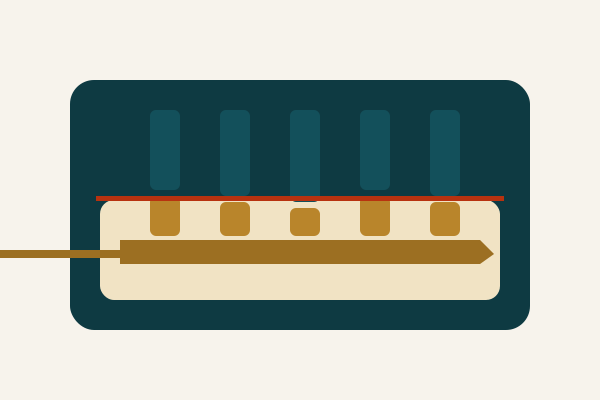
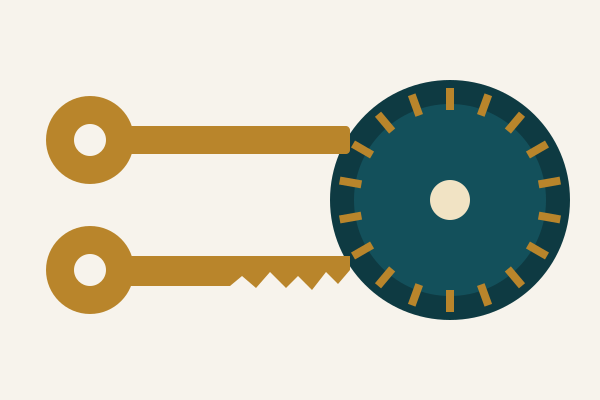
A standard pin tumbler lock opens when the right key lifts small pins to the correct height. Rekeying means swapping those pins for a new set, so a new key works and every old key stops working.
The outside of the lock stays the same. Your knobs, levers, and deadbolts remain on the door, which keeps the cost down and avoids changing the look of your entry.
The work is usually done right at the door. The technician removes the cylinder, changes the pins, tests the new key several times, and puts everything back together.
When Rekeying Is the Smart Choice
Rekeying fits situations where the hardware is in good shape but key control is the concern.
You just moved into a home or apartment.
A roommate, tenant, or employee left without returning keys.
A key was lost and you do not know who might have it.
You want several doors to work with a single key.
For homes, our residential rekey service covers front doors, back doors, and garage entry locks in one visit when possible.
Landlords often rekey between tenants for the same reason. It keeps a former renter's copy from opening the unit without the expense of buying new locks for every turnover.
When Replacing the Lock Makes More Sense
Some problems cannot be solved with new pins. If a lock is cracked, rusted, sticking badly, or was damaged during a break-in, replacing it is usually the better use of money.
Replacement is also the path when you want an upgrade. Moving from a basic knob to a sturdy deadbolt, adding a high-security cylinder, or switching to a keypad lock all require new hardware.
Style changes count too. If you are remodeling or swapping finishes, a new lockset may simply fit the project better.
Pay attention to how the lock feels in daily use. A key that must be jiggled, a bolt that drags, or a knob that wobbles on its spindle are early signs that the hardware is nearing the end of its life.
Comparing Cost and Effort
Rekeying usually costs less because the main hardware stays in place. You pay mostly for labor, pins, and new keys.
Replacing involves the price of the new lock plus installation, which varies a lot depending on grade and features. A locksmith can look at your doors and give a quote before work begins, so you can compare both paths with real numbers rather than guesses.
Remember to count every door in the estimate. A home with front, back, side, and garage entries may cost noticeably more to fully replace, which is one reason many owners rekey first and upgrade one door at a time.
Thinking About Security, Not Just Price
A cheaper fix is not always a smarter one. If your current locks are low grade, rekeying them restores key control but does not make them tougher against forced entry.
Ask the locksmith to rate each lock honestly. Many people end up mixing approaches, rekeying good hardware and replacing only the weak pieces. That balance keeps spending focused where it improves safety most.
Your circumstances matter as well. Someone who just went through a break-up or a burglary may care most about key control, while a family in an older house may get more value from stronger locks and reinforced frames.
Questions to Ask Before You Decide
A short list of questions can make the conversation with a locksmith more productive. Ask how old your locks appear to be, what grade they are, and whether any show signs of tampering or heavy wear.
Can all my exterior locks be keyed alike?
Would one stronger deadbolt help more than rekeying everything?
Are replacement parts for my brand easy to find?
It also helps to know how many keys you want afterward and who should receive them. That way the technician can cut the right number of copies during the same visit and you leave with a clear record of who holds access.
Getting Help Deciding
If you are still unsure, describe your situation when you call. A technician from Advantage Lock And Key Los Angeles can inspect the locks on site and explain the tradeoffs in plain terms.
Business owners can also ask about rekeying for offices and storefronts through our commercial locksmith services. Reach us at 310-819-3002.
A good residential locksmith is easy to reach, explains the job and the price before starting, and treats your home and your privacy with care. Here is how to tell the difference before you hand anyone your keys.
If you are locked out of your apartment, start with your building manager or a spare key, then call a locksmith with your ID and lease handy. A calm, simple plan usually gets you inside without fuss.
Replacing your locks makes sense when you move, when hardware is worn or damaged, after a break-in, or when you want better security or keyless convenience. Here are five signs it is time.
Most standard pin tumbler locks can be rekeyed. Some inexpensive or specialty locks cannot, and in those cases replacement is the practical option. Learn more about home rekeying.
Does rekeying make my lock stronger?
No. It changes which key operates the lock, not how well it resists force. For better protection, ask about upgraded deadbolts through our residential locksmith team.
Locked out or need a lock looked at?
Call 310-819-3002 to check today's availability in your part of Los Angeles.