Signs Your Home May Have Been Targeted by a Burglar
Small clues like fresh scratches around a lock, a moved spare key, or unfamiliar people lingering nearby can suggest someone is sizing up your home. Taking a few practical steps right away can make it a far less attractive target.
By Advantage Lock And Key teamPublished Updated Security tips
Physical Clues Around Doors and Windows
Take a slow walk around your property and look closely at entry points. Fresh scratches or pry marks near a lock, a bent strike plate, or a window screen that has been pushed out of place are worth noting.
Also check whether gates, sheds, or side doors are open when you know you closed them. One odd detail may be nothing, but several together deserve attention.
Inside, check whether anything seems disturbed near doors and windows, such as moved items on a sill or a latch left in a different position. Photograph anything unusual so you have a record if you later need to file a report.
Unusual Activity on Your Street
Neighbors are often the first to notice patterns. Watch for vehicles that circle the block repeatedly, people knocking on doors with vague reasons, or someone photographing houses without an obvious purpose.
Flyers or stickers left in door frames for days to test whether anyone is home.
Unknown visitors asking when residents usually leave.
Strangers walking up driveways and quickly leaving when noticed.
None of these prove anything alone, so avoid confrontation and share concerns with neighbors or local police.
Neighborhood groups and community apps can be helpful for sharing what people see. Keep posts factual and avoid describing people in ways that rely on appearance alone.
Missing or Moved Keys
If a hidden spare key is missing or not where you left it, assume a copy could exist. The same applies when keys disappear from a car, gym bag, or office desk.
In that case, rekeying your locks is one of the quickest ways to make old keys useless. It costs less than replacing every lock and restores control over who can get inside.
Think about service workers or former housemates who once had access too. Even if you trust them, keys can be copied, lost, or passed along without anyone meaning harm.
What to Do Right Away
Start with the basics. Lock every door and window, including those you rarely use, and keep the garage closed. Turn on exterior lights at night and keep landscaping trimmed near windows.
Write down what you noticed, with dates and times.
Report suspicious activity to the local police non-emergency line, or call 911 if a crime is in progress.
Talk with neighbors so they can keep an eye out too.
Have a locksmith inspect your doors and locks.
If you are traveling soon, ask a neighbor to collect mail and packages, and use timers on interior lights. A home that looks lived in is less inviting to someone watching the street.
Hardware Upgrades That Help
A locksmith can check whether your deadbolts fully extend and whether strike plates are anchored securely into the framing. Small reinforcements here make forced entry much harder.
Depending on your setup, options include high-security cylinders, sturdier deadbolts, or keyless locks that let you change codes when needed. Our residential locksmith team provides a quote before work begins.
Sliding doors and side gates are frequently overlooked. Adding a secondary lock to a patio slider or a sturdier latch on a side gate closes gaps that front-door upgrades alone do not cover.
Building Better Habits Over Time
Security is not a single fix. Make a habit of checking doors and windows before bed, and review who holds keys once or twice a year. Small routines like these reduce openings a burglar might notice.
Consider a neighborly agreement to watch each other's homes during trips. Shared awareness on a block often deters people looking for easy opportunities.
If a Break-In Already Happened
If you come home to a forced door or broken window, step away and call the police before going inside. Do not touch anything until officers have finished.
Afterward, damaged locks and frames need attention so the home can be secured again. Advantage Lock And Key Los Angeles can help with emergency lock repair. Call 310-819-3002 to check availability.
Keep a copy of the police report and photos of the damage. Insurance companies usually ask for both, along with invoices for any lock or door repairs completed afterward.
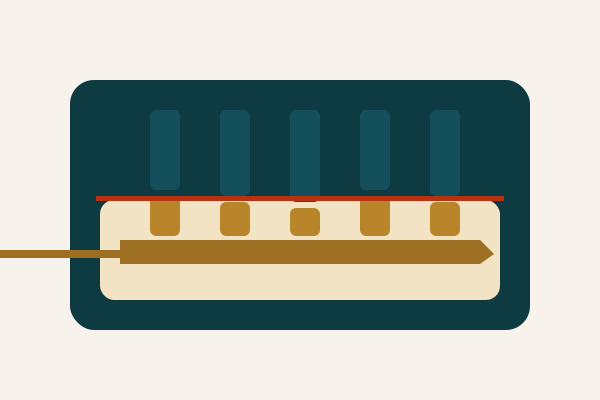
A deadbolt adds a solid steel bolt that a spring latch cannot match, making a door much harder to force. Choosing the right grade, cylinder type and strike plate setup makes the biggest difference.
Most lockouts come from a few avoidable habits, and most damage comes from how people react. Fix these five mistakes and you will be locked out less often, with less cost when it does happen.
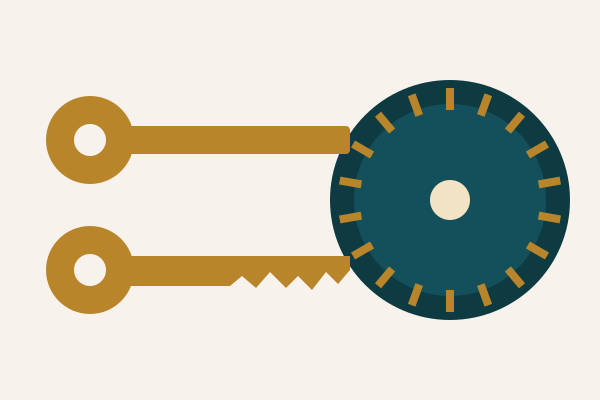
Rekeying changes the inside of a lock so old keys stop working and a new key takes over, without replacing the hardware. It is a cost-effective choice after a move, a lost key or a change in who has access.
Stories about secret symbols circulate often, and the evidence is mixed. Still, unexplained marks are worth reporting and photographing. Checking your locks with a residential locksmith is a sensible precaution.
Should I rekey or change locks if I think my home is targeted?
If your hardware is solid, rekeying handles key concerns. If locks show pry damage, replacement may be needed. Learn more about rekeying.
Locked out or need a lock looked at?
Call 310-819-3002 to check today's availability in your part of Los Angeles.