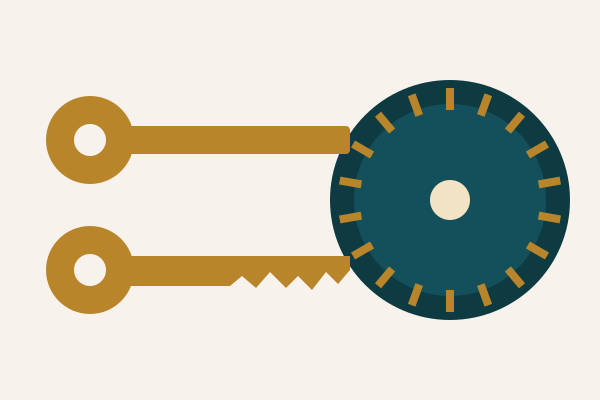
When you move into a new place, you have no way of knowing how many old keys are still out there. Rekeying makes every previous key useless, and renters should get landlord approval before any lock work.
By Advantage Lock And Key teamPublished Updated Residential
You Do Not Know Who Has a Key
Previous owners, tenants, contractors, real estate agents, pet sitters, and neighbors may all have held a copy at some point. Even with good intentions, keys get lost or passed along.
Moving day is a natural moment to reset that list to zero. Rekeying ensures that only the keys you receive work in your locks.
Even a home that was vacant for a long time may have keys floating around. Agents, inspectors, and stagers often receive copies during the sale.
What Rekeying Does
Rekeying replaces the small pins inside the lock cylinder so it matches a new key. The lock body stays on the door, which makes it a cost-effective alternative to replacing hardware.
Because it is less expensive than replacement, rekeying fits nicely into a moving budget that already covers movers, utilities, and other costs.
The process is quick for most standard residential locks. A technician can typically rekey several doors in a single visit, test each new key, and hand you a fresh set before leaving.
For Homeowners
Once the home is yours, you can rekey every exterior lock, including front, back, side, and garage entry doors. Many owners also choose to have all locks work with one key for convenience.
Rekey exterior doors and the garage entry.
Check that deadbolts fully extend and strike plates are secure.
Ask about upgrades if any lock is worn or low grade.
Do not forget mailbox locks, storage sheds, or side gates. These may also have keys that previous owners kept.
For Renters
Renters should talk with their landlord or property manager before any lock change. Many leases require approval, and landlords often need a key for emergencies.
California law requires landlords to change or rekey locks in certain situations, but rules vary, so ask your landlord about current policy rather than assuming. If they agree, our apartment lock change service can coordinate with management.
Keep a copy of any written approval from your landlord and provide them with a key if the lease requires it. Clear communication helps avoid disputes at move-out.
Some property managers handle rekeying themselves between tenants, so ask whether it has already been done.
When to Schedule It
Ideally, rekey before moving in your belongings, or as soon as possible afterward. It is easier to do while the home is quiet and before many new keys get handed out.
Consider ordering extra copies at the same time for household members. Our residential key cutting can handle that.
Combining rekeying with other move-in tasks, like changing garage codes and setting up utilities, makes it easy to remember.
Consider Keying Your Locks Alike
Moving in is also a chance to simplify your key ring. If your exterior locks are from compatible brands, a locksmith can often rekey them so one key opens every door.
This makes life easier for everyone in the household and reduces the number of copies you need to track. If brands do not match, the locksmith can explain which pieces would need to change to make it work.
Fewer keys mean fewer chances for one to go missing, and less to think about when handing a spare to someone you trust.
Ask about this option when you schedule your rekey so the technician can bring the right parts.
Other Security Checks for a New Home
Change garage door codes, reset smart locks, and test window latches. Make sure exterior lights work and trim landscaping that hides windows.
Advantage Lock And Key Los Angeles can help with rekeying and lock upgrades. Call 310-819-3002 for a quote before work begins.
If the home has a security system, change the codes and confirm monitoring is set up in your name. Taking these steps early helps your new place feel truly yours.
A good residential locksmith is easy to reach, explains the job and the price before starting, and treats your home and your privacy with care. Here is how to tell the difference before you hand anyone your keys.
If you are locked out of your apartment, start with your building manager or a spare key, then call a locksmith with your ID and lease handy. A calm, simple plan usually gets you inside without fuss.
Replacing your locks makes sense when you move, when hardware is worn or damaged, after a break-in, or when you want better security or keyless convenience. Here are five signs it is time.
Usually, yes, because the existing hardware stays in place. Learn more about residential rekeying.
Can renters rekey without telling the landlord?
It is generally best not to. Most leases require permission, and landlords may need access. Our apartment lock change team can work with your landlord.
Locked out or need a lock looked at?
Call 310-819-3002 to check today's availability in your part of Los Angeles.